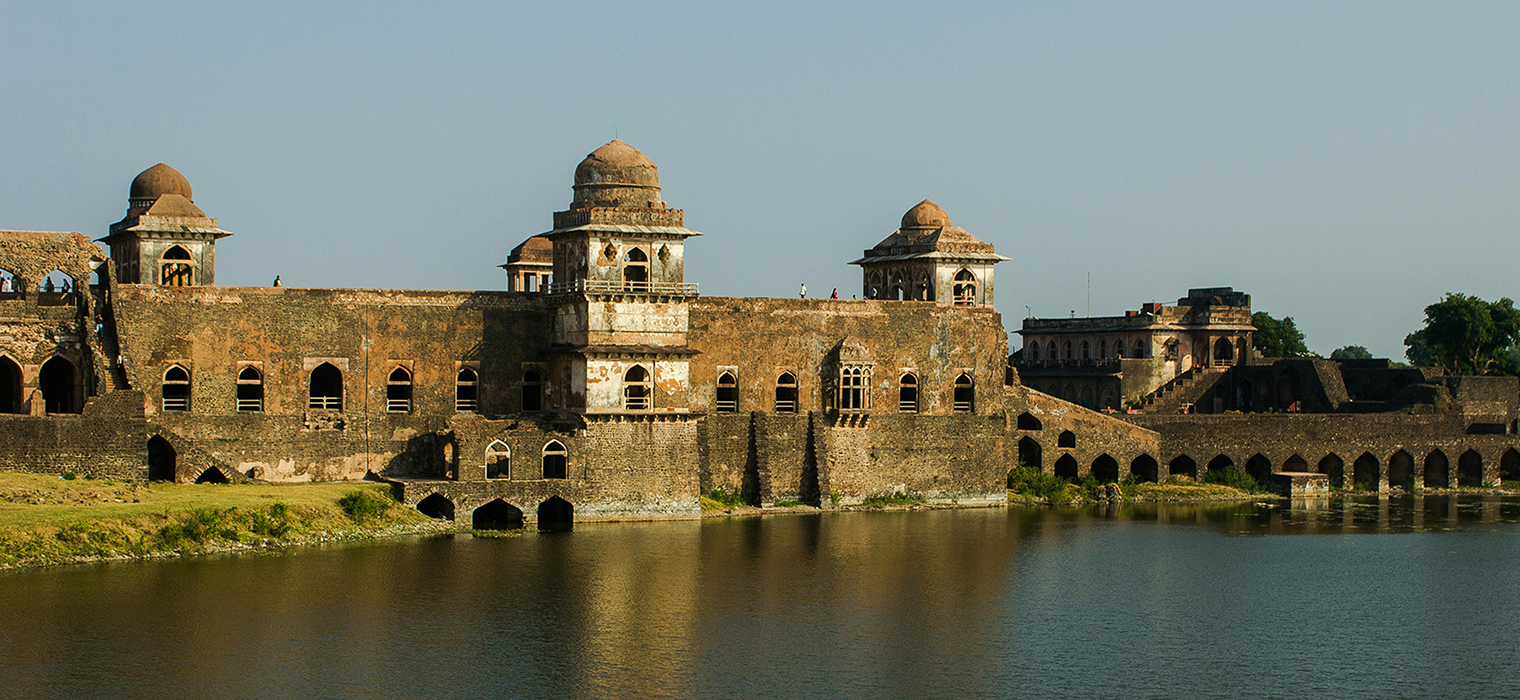
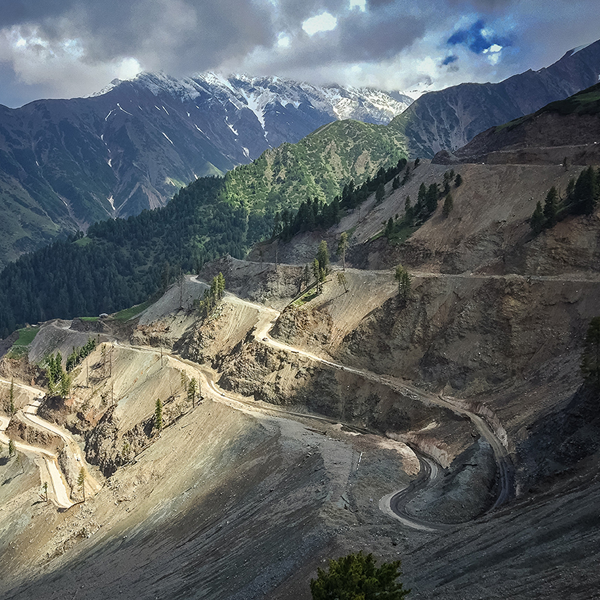
Starting from Jammu, this scenic route offers a mix of spirituality, history, and natural beauty as you head toward Srinagar via the Mughal Road.
Near Reasi, you can stop at the rafting point along the Chenab River, known for its adventurous rapids and picturesque surroundings. Close by is the historic Dogra Qila Reasi, reflecting the legacy of the Dogra rulers.
Continuing the journey, you reach the famous Shiv Khori Mandir, a sacred cave temple dedicated to Lord Shiva. A little further lies Beri Pattan, a शांत and scenic riverside stop ideal for a short break.
As the road winds through hills, you come across Mangla Mata Temple, offering both spiritual significance and panoramic views. Along the way, you may also notice an old watchtower-like structure, commonly referred to as the Old Tower, standing as a silent historical landmark.
Further ahead, in the Kalakote region, lies Tatta Pani, known for its natural hot water springs believed to have therapeutic properties.
The route then leads into Rajouri, where you can explore the historic Chingus Fort (locally called Chengis Qila). Nearby is the revered Shahdra Sharif, surrounded by peaceful forested hills.
As you ascend higher along the Mughal Road, the scenery becomes more dramatic. You pass through lush landscapes and reach the refreshing Drung Waterfall, a hidden natural attraction.
Entering the Shopian region, you encounter the magnificent Aharbal Waterfall, often referred to as the “Niagara Falls of Kashmir” due to its powerful flow and stunning setting.
Finally, the journey concludes as you arrive in Srinagar. Here, you can visit the elegant Chashme Shahi, relax by the iconic Dal Lake, and explore the beautiful Mughal Gardens, known for their classic Mughal design and breathtaking views.
Arrival in Jammu
Your journey begins in Jammu, often referred to as the “City of Temples.” Nestled along the banks of the Tawi River, Jammu serves as the gateway to the beautiful regions of Kashmir. The city blends spirituality, history, and vibrant local culture, making it an ideal starting point before heading toward the scenic Mughal Road.
Whether you arrive by air, rail, or road, Jammu welcomes you with its warm atmosphere, bustling markets, and rich heritage. Before continuing your journey, it’s worth spending some time exploring the key attractions the city has to offer.
In Jammu, you’ll find a rich mix of spiritual landmarks, historic sites, and vibrant local culture. The iconic Raghunath Temple stands as one of the largest temple complexes in North India, dedicated to Lord Rama and admired for its intricate architecture and deep religious significance. Overlooking the Tawi River is the historic Bahu Fort, an ancient structure that offers panoramic views of the city; within its परिसर lies the revered Bawe Wali Mata temple, a major श्रद्धा spot for devotees. Just nearby, Bagh-e-Bahu provides a peaceful retreat with its well-maintained lawns, fountains, and scenic surroundings, making it perfect for relaxation.
Another important religious site is the Ranbireshwar Temple, known for its massive Shiva lingam and numerous smaller lingams, attracting devotees from across the region. For those interested in history and heritage, Amar Mahal Palace offers a glimpse into royal life, now functioning as a museum that houses paintings, artifacts, and stunning views of the river and hills. Adding to the spiritual charm is the Peer Kho Cave Temple, an ancient cave shrine dedicated to Lord Shiva, surrounded by mythological significance and natural beauty.
To experience the local vibe, a visit to Raghunath Bazaar is a must. This bustling market is perfect for shopping traditional Dogra jewelry, dry fruits, and handicrafts, giving you a taste of Jammu’s vibrant culture before continuing your journey.

In Reasi, the journey begins to transition from city landscapes into scenic hills and riverside beauty. One of the main highlights here is the Chenab River rafting point, where adventure seekers can experience thrilling rapids surrounded by dramatic mountain views. The region is also home to the historic Dogra Qila Reasi, a lesser-known fort that reflects the legacy of the Dogra rulers and offers a glimpse into the area’s past.
The rafting point near Reasi along the Chenab River is a growing attraction for adventure enthusiasts. Known for its strong currents and deep gorges, the Chenab offers an exciting white-water rafting experience, especially during the summer months when water levels are ideal. The rafting stretch is surrounded by rugged hills and untouched natural beauty, giving visitors both an adrenaline rush and stunning scenic views.
This rafting spot is not only about adventure but also about experiencing the raw landscape of the region. Local operators often provide guided rafting sessions with safety gear, making it accessible for both beginners and experienced rafters. Even if you’re not participating in rafting, the riverside area itself is worth a stop for its dramatic views and peaceful atmosphere, making it a perfect break on your journey toward the Mughal Road.
The sacred Shiv Khori Mandir, located near Reasi, is one of the most revered pilgrimage sites in the region. Dedicated to Lord Shiva, this unique temple is set inside a natural cave that stretches deep into the hills, creating a mystical and spiritual atmosphere for visitors.
The cave is about 200 meters long, with a narrow entrance that gradually opens into a larger chamber. Inside, devotees worship a naturally formed Shiva lingam, believed to be self-created (Swayambhu). The cave walls feature fascinating natural formations that many believe resemble various Hindu deities, adding to the temple’s spiritual significance.
Reaching the shrine involves a scenic trek of around 3–4 kilometers from the base camp, passing through picturesque hills and local villages. The journey itself is considered part of the pilgrimage experience. The temple attracts a large number of devotees, especially during the festival of Maha Shivratri, when the entire area comes alive with celebrations.
Surrounded by serene landscapes and religious devotion, Shiv Khori offers both a peaceful retreat and a deeply spiritual experience, making it an important stop on the route.

Beri Pattan is a quiet riverside location along the Chenab River near Reasi, known for its raw, untouched natural beauty. Unlike crowded tourist spots, Beri Pattan offers a more peaceful and authentic experience, where the landscape is defined by flowing river waters, rugged rocky banks, and surrounding green hills.
The Chenab River flows strongly through this stretch, creating a dramatic yet calming setting. The sound of the water, combined with the open views of the valley, makes it an ideal place to pause, stretch, and take in the scenery. It is often used as a stopover point by travelers heading toward Shiv Khori, providing a refreshing break during the journey.
While there are limited commercial facilities, this simplicity adds to its charm. Visitors can enjoy photography, relax by the riverside, or simply experience the quiet beauty of the region. The area is also occasionally used by locals for small gatherings or picnics.
Beri Pattan may not be widely known, but its serene atmosphere and scenic appeal make it a hidden gem along the route, especially for those who appreciate nature and less crowded places.
Mangla Mata Temple is a sacred hilltop shrine located near Reasi, known for both its religious importance and scenic surroundings. Dedicated to Goddess Mangla Mata, the temple attracts devotees as well as travelers looking for peaceful and elevated viewpoints.
Situated at a height, the temple offers wide panoramic views of the surrounding hills and valleys, making it a visually rewarding stop. The approach involves a winding uphill route followed by a short climb, which adds to the overall experience of visiting the shrine.
The temple परिसर is simple and calm, providing a quiet space for prayer and reflection. During festivals and special occasions, the area becomes lively with devotees gathering to offer prayers.
Mangla Mata Temple combines spirituality with natural beauty, making it a meaningful and scenic stop along the journey through the Reasi region.

Tatta Pani is a well-known natural attraction located near the Kalakote area, along the route between Reasi and Rajouri. The name “Tatta Pani” literally means “hot water,” and the place is famous for its natural hot sulphur springs found along the banks of the Chenab River.
These hot springs are believed to have medicinal and therapeutic properties, especially beneficial for skin-related conditions and joint pains. Visitors often take a dip in the warm waters, which provide a relaxing and rejuvenating experience, particularly during the colder months.
The setting of Tatta Pani adds to its charm, with the river flowing alongside rocky terrain and surrounding hills creating a peaceful and scenic environment. It is also a popular spot for picnics and short halts, offering both natural beauty and a unique geological feature.
Though basic in terms of infrastructure, Tatta Pani remains a popular stop for travelers and locals alike, making it a refreshing and distinctive highlight along the journey toward the Mughal Road.

Chingus Fort is a historic Mughal-era structure located near Rajouri, along the old Mughal Road. The name “Chingus” comes from the Persian word “Chingus,” meaning intestines, which is linked to a unique and somewhat unusual piece of history.
According to historical accounts, the fort was built during the reign of Mughal Emperor Jahangir. It is believed that when Jahangir died on his way back from Kashmir to Lahore, his body was being transported through this route. To preserve it during the long journey, his intestines were removed and buried at this very site, which is how the place got its name.
Architecturally, the fort served as a resting place (sarai) for Mughal caravans traveling along the Mughal Road. It features high stone walls, enclosed courtyards, and simple yet functional design typical of Mughal roadside forts. Though not very large, it holds strong historical significance due to its connection with the Mughal era and royal journeys.
Today, Chingus Fort stands as a quiet historical site, offering visitors a glimpse into the past and the importance of the Mughal Road as a major travel route. Surrounded by hills and greenery, it makes for an interesting and culturally rich stop during the journey toward Srinagar.

Shahdra Sharif is a revered spiritual site located near Rajouri, nestled amidst lush green hills and dense forests. It is dedicated to the respected Sufi saint Baba Ghulam Shah Badshah, whose teachings emphasized peace, unity, and devotion.
The shrine is known for its calm and serene atmosphere, attracting devotees from different communities and religions. Visitors come here not only for spiritual reasons but also to experience the peaceful surroundings and natural beauty that envelop the area. The setting, with flowing streams and forested landscapes, adds to the sense of tranquility.
The complex is well-maintained and includes prayer areas and spaces for visitors to sit and reflect. It becomes especially lively during religious gatherings and annual events, when large numbers of devotees visit to pay their respects.
Shahdra Sharif is not just a place of worship but also a symbol of communal harmony and spiritual heritage, making it an important and meaningful stop along the journey through the Rajouri region.

Drung Waterfall is a scenic natural attraction located along the Mughal Road route as you move from Rajouri toward Shopian. Surrounded by dense greenery and rolling hills, it serves as a refreshing stop amid the long mountain drive.
The waterfall is formed by streams flowing down rocky cliffs, creating a soothing and picturesque setting. During the warmer months, the water flows gently, making it a peaceful spot to relax and enjoy nature. In winter, the area can partially freeze, giving the waterfall a unique and striking appearance.
The location remains relatively less crowded compared to major tourist destinations, which adds to its charm. Travelers often stop here for short breaks, photography, and to experience the calm atmosphere of the surrounding landscape.
Easily accessible from the roadside, Drung Waterfall offers a quick yet rewarding halt, allowing visitors to enjoy the raw beauty of the Mughal Road journey before continuing toward Shopian and further into the Kashmir Valley.

Aharbal Waterfall, located in the Shopian region, is one of the most spectacular natural attractions along the Mughal Road route. Often referred to as the “Niagara Falls of Kashmir,” it is formed by the Veshu River plunging dramatically through a deep gorge, creating a powerful and breathtaking cascade.
Surrounded by dense forests of pine and fir, the waterfall offers a stunning combination of raw natural force and serene landscape. The sound of rushing water, cool mist in the air, and panoramic views make it a memorable stop for travelers. Several viewpoints around the area allow visitors to safely admire the waterfall from different angles.
Aharbal is not just about the main waterfall—nearby trails and streams provide opportunities for short walks, photography, and quiet moments in nature. The area is especially beautiful during spring and summer, when the greenery is at its peak and the water flow is strong due to melting snow.
Easily accessible from Shopian town, Aharbal Waterfall is a must-visit destination for anyone traveling via the Mughal Road, offering a perfect blend of scenic beauty and natural power.

Nestled in the heart of the Kashmir Valley, Srinagar is one of the most beautiful and iconic destinations in India. Surrounded by snow-capped mountains and lush greenery, the city is often called the “Paradise on Earth.” As you arrive here via the Mughal Road, the landscape transforms into serene lakes, charming houseboats, and vibrant gardens, offering a perfect blend of natural beauty and cultural heritage.
One of the main highlights of Srinagar is Dal Lake, famous for its calm waters, traditional shikara rides, and floating markets. Visitors can stay in beautifully crafted houseboats or enjoy a peaceful boat ride while taking in views of the surrounding mountains. Close to the lake is Chashme Shahi, a Mughal garden known for its natural spring, terraced lawns, and scenic setting overlooking Dal Lake.
Srinagar is also home to some of the finest Mughal gardens, including Shalimar Bagh and Nishat Bagh. These gardens are known for their symmetrical layouts, flowing water channels, and beautifully maintained flower beds, offering a glimpse into Mughal-era landscaping and architecture. Walking through these gardens provides a peaceful and refreshing experience amidst nature.
For spiritual and cultural exploration, the Hazratbal Shrine is an important site located on the banks of Dal Lake, known for its serene atmosphere and religious significance. Another notable spot is Pari Mahal, a historic terraced garden situated on the Zabarwan hills, offering panoramic views of the city and the lake.
To experience the local culture and lifestyle, a visit to Lal Chowk Market is a must. This bustling marketplace is known for traditional Kashmiri handicrafts, shawls, dry fruits, and local delicacies, giving visitors a glimpse into the vibrant everyday life of Srinagar.
Srinagar beautifully combines nature, history, and culture, making it a memorable and fitting conclusion to the journey through the Mughal Road.