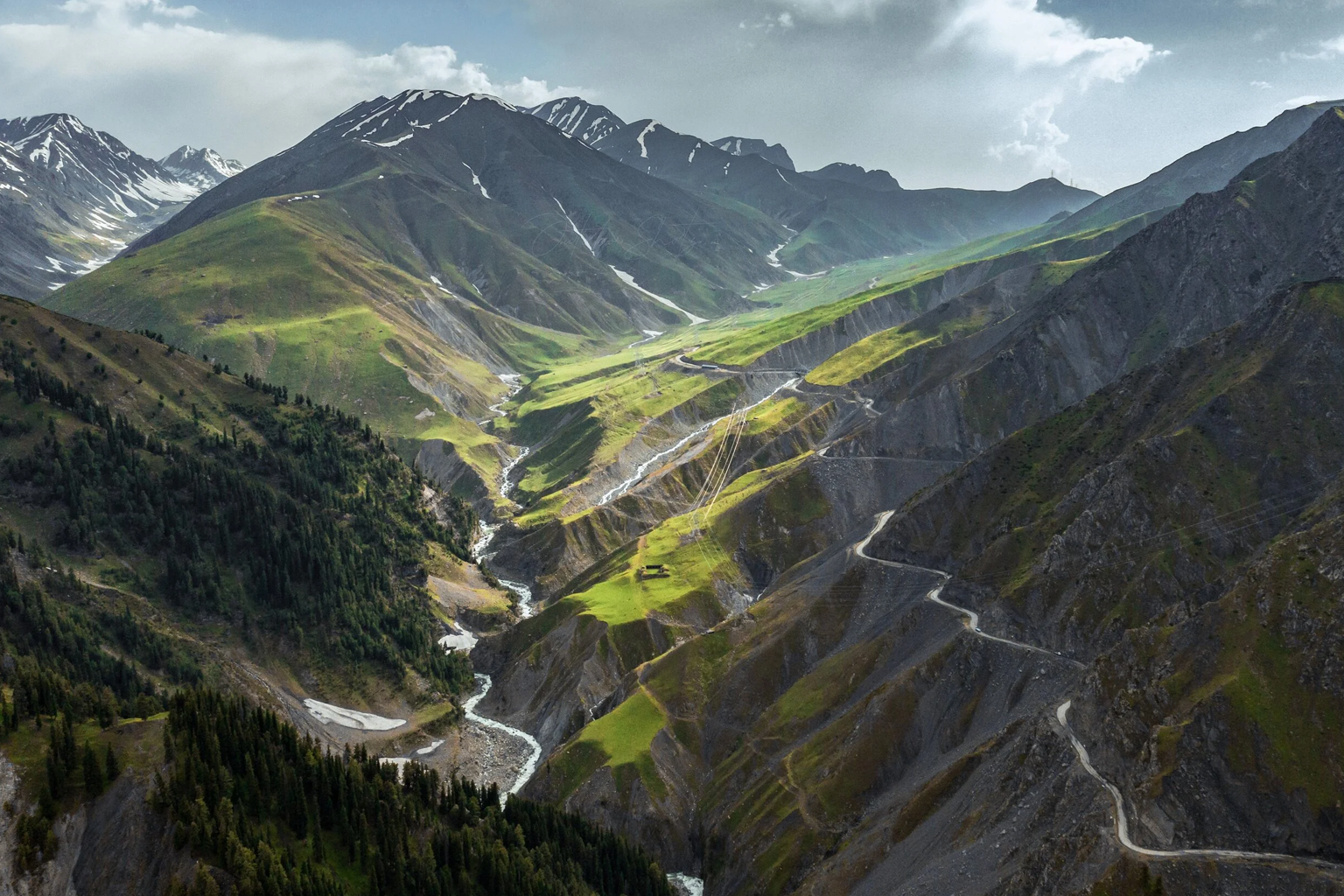
Pir Panjal Pass
Overview
Pir Panjal Pass is a high mountain pass in the Pir Panjal range of the Himalayas. It connects the Kashmir Valley with the Jammu region and has historically been an important route for travel and trade across the mountains.
In ancient and medieval times, the pass was used by traders, travelers, and even Mughal-era movements between Kashmir and the plains. Over time, its importance decreased after the construction of modern routes like the Jawahar Tunnel, which provide easier access.
Today, Pir Panjal Pass is valued mainly for its natural beauty, with snow-covered peaks, dense forests, and stunning landscapes that reflect the rugged charm of the Himalayas.

Historical Significance — Pir Panjal Pass
Ancient Trade & Travel Route: Pir Panjal Pass has historically served as a vital link between the Kashmir Valley and the Jammu region, used by traders, travelers, and armies moving across the Himalayas.
Mughal Era Importance: During the Mughal period, the pass gained strategic value as emperors and royal caravans used routes through the Pir Panjal range to access Kashmir, strengthening its role in imperial movement and communication.
Strategic Mountain Corridor: The pass was not just a travel route but also a key strategic point for controlling access between regions, reflecting its importance in the historical geography of Jammu and Kashmir.
Attractions at Pir Panjal Pass
Snow-Capped Peaks: The pass is surrounded by majestic, snow-covered mountains that create breathtaking panoramic views.
Alpine Landscapes: Visitors can see beautiful meadows, rocky terrain, and dense forests typical of the Pir Panjal range.
Scenic Trekking Routes: The area offers rugged trails that are popular with trekkers and adventure seekers exploring the Himalayas.
Wildlife & Natural Beauty: The region is home to diverse Himalayan flora and fauna, adding to its natural charm.
Photography Spot: Its dramatic landscapes, changing weather, and mountain scenery make it a favorite location for nature photography.